 (833) 659-2203

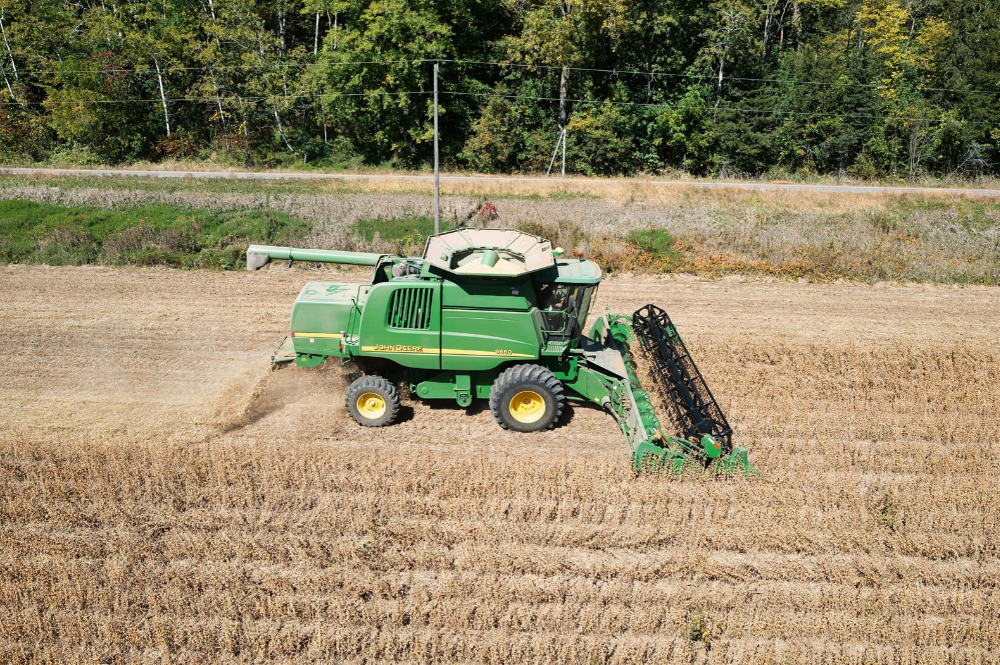
Good used heavy equipment doesn't stay on the market long. A low-hour excavator or a well-maintained tractor at a fair purchase price can sell within days, and buyers stuck waiting on a bank approval often watch it go to someone else.
That's why it pays to understand used heavy equipment financing before you find the machine. When a lender reviews your request, they evaluate two things: your business and the equipment itself. Knowing what matters on both sides helps you prepare ahead of time, choose the right financing plan, and get the equipment you need when the opportunity comes along.
Why Established Businesses Choose Used Heavy Equipment
For many contractors, farmers, and fleet operators, used equipment is a practical investment. Pre-owned equipment often costs significantly less than new equipment, and much of its steepest depreciation has already happened. That means the machine can hold its value more steadily during the years you own it.
Used equipment is also available now. New units can come with long lead times, while a used dozer, skid steer, or combine may be ready to put to work this week.
New or Used Equipment: Weighing the Tradeoffs
Choosing between new or used equipment comes down to your budget, how hard you'll run the machine, and your long-term business goals.
New equipment carries a higher price tag, but it typically includes warranty coverage and the latest technology. It also tends to offer a longer service life and stronger resale value down the road.
Used equipment lowers your upfront cost and gives you immediate access to the machinery your operation depends on. The tradeoff is a shorter expected service life and, in many cases, limited remaining warranty. A careful inspection and solid maintenance records help you buy pre-owned with confidence.
Many businesses run a mix of new and used equipment. They buy new where reliability and technology matter most, then buy used for other equipment that sees lighter or seasonal use.
Financing vs. Paying Cash
Paying cash for heavy equipment avoids interest, but it can tie up a large share of your available funds. That money is often better kept in reserve for payroll, fuel, repairs, and other business expenses.
Equipment financing spreads the cost into manageable monthly payments so you can preserve working capital and protect cash flow. Many businesses also prefer to keep their bank lines open for short-term business needs rather than using them for long-term equipment purchases. Meanwhile, the machine starts earning revenue right away and helps cover its own payments.
What Lenders Look For in Your Business
The first half of any used heavy equipment financing review focuses on the borrower. Eligibility depends on your overall financial situation, and lenders want confidence that your business can comfortably handle the payments.
Time in Business
Most lenders prefer to work with established operations. A track record of two or more years shows that your business has weathered slow seasons, managed expenses, and built steady revenue. Thirty3 Capital works with businesses that have at least two years in operation.
Credit History and Credit Score
Your personal and business credit history shows a lender how you've handled obligations in the past. A stronger credit score generally opens up more flexible terms and better pricing. At Thirty3 Capital, applicants typically need a FICO score of 620 or higher.
Cash Flow and Financial Documents
Revenue matters, but consistency matters just as much. Lenders often review recent bank statements to see how money moves through your business. Seasonal swings are normal in agriculture and construction, and a good lender will look at your full annual cycle rather than a single slow month.
For larger loan amounts, many lenders also request financial statements and business tax returns. Thirty3 Capital's one-page application covers financing up to $600,000, which keeps paperwork to a minimum for most equipment purchases.
Industry Experience
Lenders want to understand the type of equipment work your business performs. A contractor adding an excavator or a farmer buying a tractor is an easy story to follow. If you're expanding into new services, be ready to explain how the machine supports that growth.
What Lenders Look For in the Equipment
When financing used equipment, the machine itself typically serves as collateral. That's why lenders take time to understand what you're buying and what it's worth.
Age, Hours, and Condition
Age and hours are among the first details a lender checks. A five-year-old loader with low hours and a clean service history is easier to finance than an older unit with heavy wear. Some lenders restrict financing on equipment older than 10 years, though age limits vary by lender and equipment type. Maintenance records and recent inspection reports can make a real difference for older or higher-hour machines.
Equipment Type, Market Value, and Purchase Price
Lenders compare the purchase price to the equipment's fair market value. A machine priced in line with comparable sales gives everyone confidence. Heavy construction equipment, farm equipment, and commercial vehicles from well-known manufacturers tend to have strong resale demand, which makes them more straightforward to finance. Highly specialized machinery may call for a closer look at value and resale options.
Dealer or Private Sale
Traditional banks often won't fund private-party transactions, and many equipment financing companies only work with dealers. That can be limiting, since some of the best deals on owned equipment come from auctions, retiring owners, or other operators selling directly. Thirty3 Capital offers private sale financing options. Private sales usually include a title review and lien search to confirm the seller owns the equipment free and clear.
Equipment Documentation
Having details ready speeds up the review. Lenders typically ask for a quote, invoice, or bill of sale, along with the make, model, year, hours, and serial number or VIN. Photos are often helpful, especially for private sales.
What Affects Used Equipment Financing Rates
There's no single rate for used equipment. Equipment financing rates can vary significantly based on credit and time in business, along with several other factors:
- Credit history: Stronger credit typically qualifies for better pricing.
- Time in business: A longer operating history usually means less risk for the lender.
- Equipment age and type: Newer, high-demand machines generally finance on better terms than older or highly specialized units.
- Term length: Financing terms for used equipment may be shorter than for new equipment, since they're often based on the machine's remaining useful life. Many lenders offer terms ranging up to 60 months.
- Down payment: Putting money down can lower your monthly payments and strengthen your application.
- Fixed or variable rates: Fixed rates keep your payment the same for the life of the agreement, while variable rates can change over time.
Where you apply also matters. Traditional banks may offer lower interest rates, but approvals can take weeks. Online specialty lenders often approve quickly with flexible criteria, though pricing and terms aren't always clear. An experienced equipment lender can offer competitive rates, a faster financing process, and terms built around how your equipment earns money.
When comparing offers, look at the full cost of financing along with the advertised rate. Ask about documentation fees, prepayment terms, and end-of-term obligations so there are no surprises later. A good finance specialist will walk you through every number before you sign, and tools like a monthly equipment payment calculator can help you estimate how different terms affect your budget.
Financing Options for Used Heavy Equipment
The right structure depends on how long you plan to keep the machine and how you want to manage cash flow. Each option affects your monthly payments and ownership a little differently.
Equipment Loans and Simple Interest Loans
Equipment loans are the most direct path to ownership. Used equipment loans come with predictable payments, and you're building equity with each one. With a simple interest loan, interest is calculated on the remaining balance, so paying ahead can reduce your total interest cost.
Equipment Finance Agreements
An EFA works much like a loan. You own the equipment from day one, and the agreement is structured with predictable payments. Many businesses choose EFAs for their straightforward terms and ownership benefits.
TRAC Leases
Equipment leasing can lower your upfront cost and give you more flexibility at the end of the term. TRAC leases are designed for titled commercial vehicles like semi trucks and trailers. You and the lender agree on a residual value up front, which can lower monthly payments while still giving you a clear path to ownership.
FMV Leases
A fair market value lease is typically structured as an operating lease, offering lower payments and more choices at the end of the term. You can purchase the equipment at its fair market value, return it, or upgrade to another unit. This can work well for equipment you expect to replace on a regular cycle.
Your finance specialist can compare these lease options and loan structures side by side, then help you build a financing plan that fits your operation.
Tax Advantages of Financing Used Equipment
Financing used equipment may also offer tax advantages. Under IRS Section 179, qualifying businesses may be able to deduct the full purchase price of eligible equipment in the year it's placed in service, up to annual limits. Used equipment can qualify as long as it's new to your business.
Interest paid on financed equipment is generally deductible as a business expense. Equipment that doesn't fall under Section 179 may still qualify for depreciation deductions over time.
Tax benefits depend on IRS rules and your business structure, so talk with your tax professional before making a decision. Thirty3 Capital does not provide tax advice.
Industry Considerations
Lenders with industry experience understand how equipment earns its keep in the field. That knowledge shapes how they evaluate requests for financing heavy equipment used in agriculture, construction, and transportation.
Used Construction Equipment Financing
In construction, timing drives everything. A contractor who lands a new project may need another excavator, backhoe, or skid steer on site within days. Used construction equipment financing works best when the lender can deliver a quick decision so you can secure the machine and keep the project on schedule, supported by flexible construction equipment financing options that match project timelines. Seasonal payment structures can also help construction firms manage slower winter months.
Used Farm Equipment Financing
Farm income rarely arrives in equal monthly amounts. Used farm equipment financing can be structured with seasonal or annual payments that line up with harvest and livestock sales. That flexibility helps farmers and ranchers add tractors, combines, balers, and sprayers without straining cash flow during the off-season, especially when they work with agriculture equipment financing tailored to seasonal cash flow.
Commercial Vehicles and Industrial Equipment
For fleet operators and owner-operators, a used semi truck or trailer can put revenue on the road quickly. Lenders will look at mileage, maintenance history, and how the unit fits your current routes. Transportation equipment financing for commercial vehicles follows a similar review, with attention to the machine's condition, its role in your operation, and its value on the resale market.
How to Prepare Before You Apply
A little preparation goes a long way. Before you start shopping, think through your equipment needs and the loan amount you're targeting, then gather the following:
- Basic business information, including your legal business name, time in business, and tax ID
- Recent business bank statements
- The equipment quote, invoice, or bill of sale
- Equipment details such as make, model, year, hours or mileage, and serial number or VIN
- Seller contact information, especially for private sales
- Maintenance records or inspection reports for older or higher-hour machines
It also helps to get pre-qualified before you find the right equipment. Knowing your approved amount ahead of time lets you negotiate with confidence and close the deal when the opportunity comes up.
How Thirty3 Capital Approaches Used Heavy Equipment Financing
Thirty3 Capital works with established businesses that know what equipment they need and want a lender who can keep up. Our financing process is built to be faster and simpler than a traditional bank, without cutting corners on service.
- One-page application for financing up to $600,000
- Same-day to 24-hour financing decisions*
- New and used equipment, including dealer and private sale purchases
- Flexible terms and structures including equipment loans, EFAs, TRAC leases, and FMV leases
- Seasonal and customized payment options when they fit your operation
- A dedicated finance specialist who knows agriculture, construction, and transportation
- Direct and indirect lending capabilities
- English and Spanish support
We keep our pricing and communication transparent. You'll know your terms, your payment, and what to expect at the end of your agreement before you sign. Our goal is to be the lender you call for your next machine, too.
*All financing subject to approved credit (OAC).