 (833) 659-2203

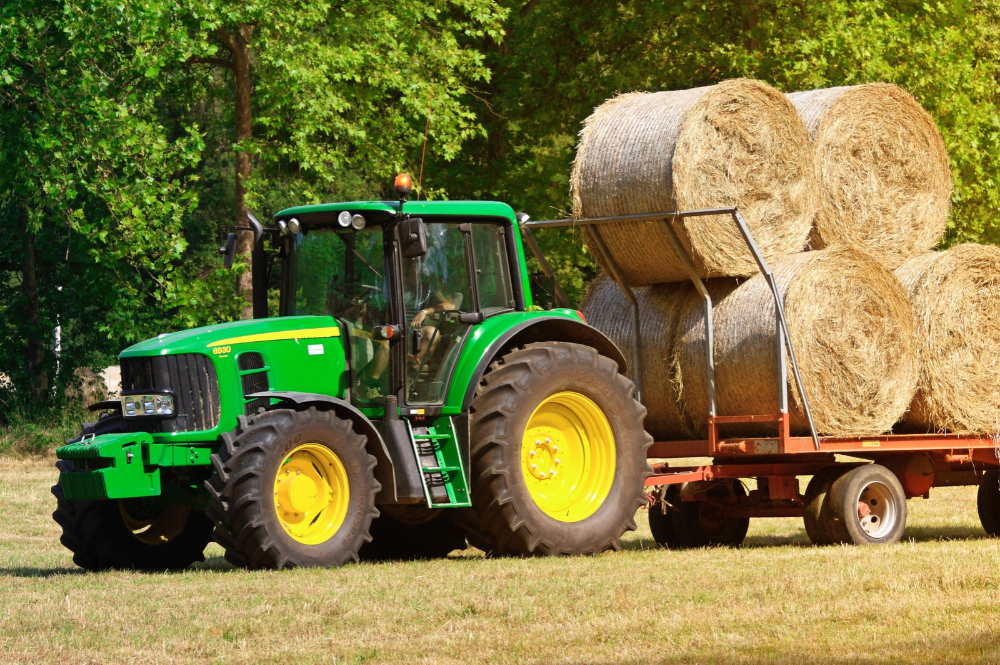
Buying heavy equipment is a major decision for any established business, and how you finance it matters just as much as which machine you choose. Two of the most common paths are a heavy equipment loan and a heavy equipment lease. Both can get your business the equipment it needs, but they work differently, and the right choice depends on your goals, your budget, and how long you plan to keep the machine.
This guide breaks down the heavy equipment loan vs lease decision in plain terms, so you can make a confident choice instead of guessing.
Key Takeaways
- A heavy equipment loan builds equity and ends in full ownership, while a heavy equipment lease typically offers lower upfront costs and more flexibility.
- Leasing often requires little to no down payment, which helps preserve working capital and cash flow.
- Loans usually require a down payment, but the equipment becomes a company asset that can support your balance sheet over time.
- Leasing construction equipment can make sense for short-term projects or when access to the latest technology matters more than long-term ownership.
- Thirty3 Capital offers competitive rates, flexible financing structures, and fast approvals to help match the right option to your business.*
*All financing subject to approved credit (OAC).
What Is a Heavy Equipment Loan?
A heavy equipment loan works the way most business owners expect. You borrow the funds needed to purchase a machine, make monthly payments over an agreed term, and own the equipment outright once the loan is paid off.
Heavy equipment loans are a good fit for businesses that plan to use a piece of equipment for its full working life. Because you're building equity with every payment, a loan adds the equipment to your balance sheet as an asset rather than an ongoing expense. Loans also tend to appeal to businesses that want predictable monthly payments, unlimited usage hours, and a clear payoff date, without the usage caps that come with some lease agreements.
Most equipment loans require a down payment, often in the 10 to 20 percent range, though this can vary based on your credit and the equipment being financed. In exchange, you gain full ownership and the tax benefits that come with it, including depreciation and interest deductions. A tax advisor can help you understand exactly how those benefits apply to your business.
What Is Heavy Equipment Leasing?
Heavy equipment leasing takes a different approach. Instead of purchasing the machine outright, you make lease payments to use it over a set term, and those payments generally cover the equipment's depreciation rather than its full value. At the end of the lease, you typically have options such as returning the equipment, purchasing it, or upgrading to newer equipment.
Leasing heavy equipment usually comes with lower upfront costs than a purchase, often requiring little to no down payment. That helps preserve cash flow and working capital for payroll, materials, or other business needs. Leasing can also give your company access to the latest technology and newer models without the higher price tag of buying outright, and it avoids some of the maintenance costs tied to long-term ownership.
Two common lease structures include:
- TRAC Leases, which typically offer lower monthly payments with a residual value negotiated at the end of the lease
- FMV Leases (Fair Market Value), which allow you to purchase the equipment at fair market value when the lease ends, or walk away
A standard operating lease does not transfer ownership during the lease term, which is part of why monthly payments tend to be lower than a loan. Some leases also include usage caps or maintenance requirements, so it's worth reviewing lease terms carefully before signing.
Heavy Equipment Loan vs Lease: Key Differences
Heavy Equipment Loan |
Heavy Equipment Lease |
|
|---|---|---|
Ownership |
You own the equipment once paid off |
Equipment is used, not owned, unless purchased at lease end |
Upfront Costs |
Typically requires a down payment |
Often lower, sometimes little to no down payment |
Monthly Payments |
Generally higher, builds equity |
Often lower, based on depreciation over the lease term |
Flexibility |
Less flexible once financed |
Easier to upgrade equipment or exit at lease end |
Balance Sheet |
Equipment listed as a company asset |
May be treated differently depending on lease structure |
Best For |
Long-term equipment use |
Short-term projects or equipment that's upgraded often |
Neither option is universally better. The right financing structure comes down to how you plan to use the equipment and how you want your monthly budget and balance sheet to look over the next several years.
When a Heavy Equipment Loan Makes Sense
A heavy equipment loan is often the stronger choice when:
- You plan to use the equipment for many years, or for its full useful life
- Building equity and long-term ownership matters to your business
- You want predictable monthly payments and unlimited usage hours
- The equipment holds its value well over time, such as certain road machines and industrial tools used in construction and agriculture
Established businesses that view equipment as a long-term asset, rather than a short-term tool, tend to gravitate toward equipment loans.
When Leasing Heavy Equipment Makes Sense
Leasing heavy equipment, including construction equipment leasing, tends to be the better fit when:
- You want to preserve working capital and cash flow for other costs
- You're working on a short-term project and don't need the equipment long-term
- Your equipment needs change often, or newer models offer meaningful gains in productivity or cutting-edge technology
- You want lower upfront costs and affordable monthly payments that fit a tighter monthly budget
A heavy equipment lease to own arrangement can also be a middle ground, letting you lease with the intent to gain ownership once the term ends, without the higher upfront commitment of a purchase.
How Thirty3 Capital Helps You Decide
Choosing between a heavy equipment loan and a heavy equipment lease doesn't have to be complicated, but it helps to talk it through with someone who understands your industry. At Thirty3 Capital, our finance specialists work with established businesses in construction, agriculture, and transportation every day, helping walk through the numbers so you can choose the financing structure that fits your company, not just the option that's easiest to sell.
We offer an online application for financing up to $600,000, decisions in as little as 24 hours, and financing options for both new and used equipment.* Whether you're leaning toward a loan, a lease, or an EFA, we'll lay out your options clearly so you can move your business forward with confidence.
*All financing subject to approved credit (OAC).